01
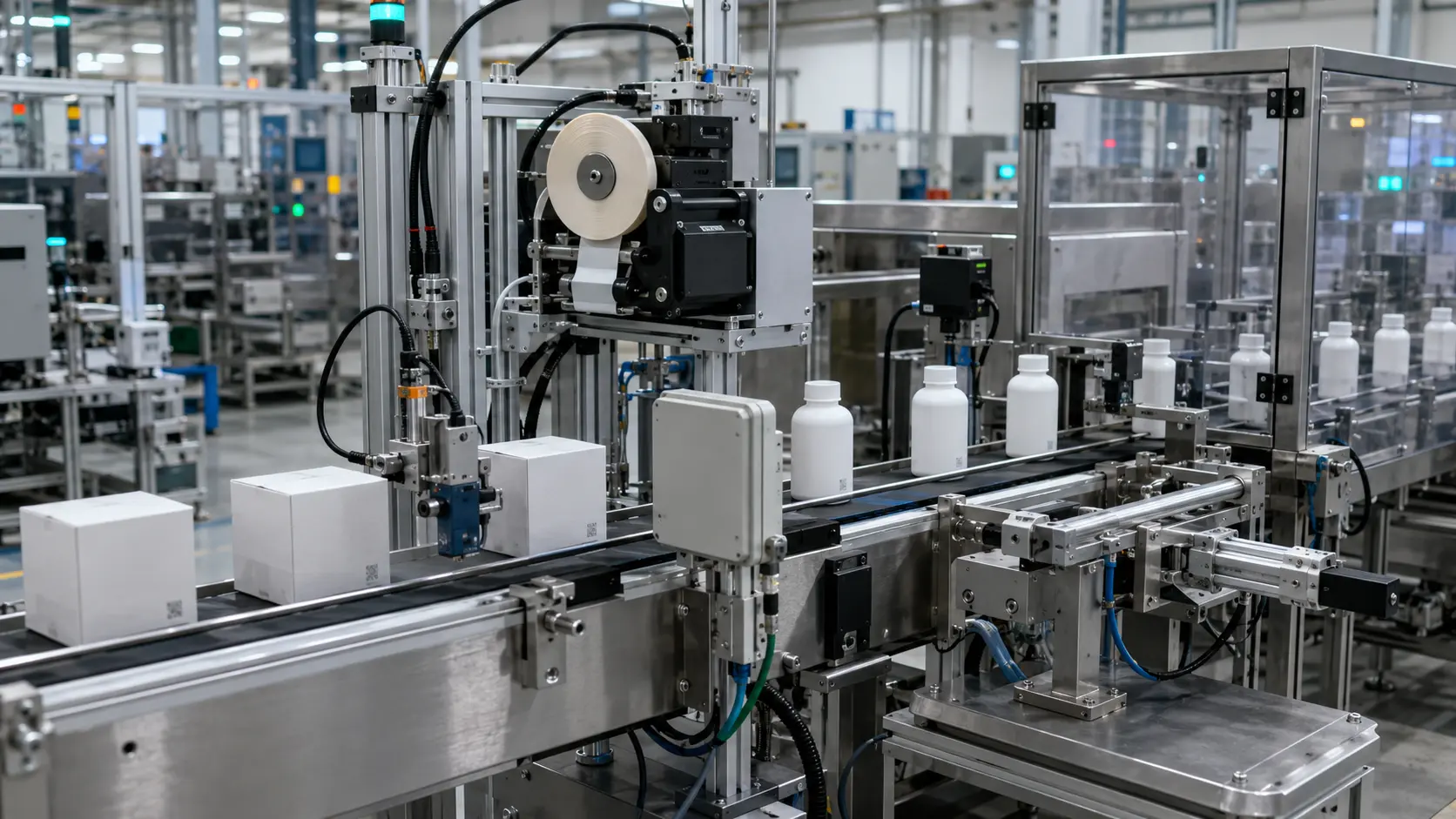
Print, encode and applyIndustrial ID label printers and printer-encoders
Create durable, scannable identification at the point of manufacture with the right printer, encoder, applicator and label construction.
Application-led specification
Designed around the process that must work.
A successful identification system is more than a printer. Oxford Traceability matches print method, resolution, label material, adhesive, ribbon and application method to the product, environment and data your operation needs to carry.
What this deliversOne specification covering hardware and the consumables that determine day-to-day print quality.
01 / Oxford TraceabilityCore capabilities
What the solution can include.
- 01Thermal-transfer and direct-thermal label printing
- 02RFID printer-encoders with encode-and-verify workflows
- 03Print-and-apply integration for automated production lines
- 04Matched labels, ribbons and specialist adhesive constructions
Typical applications
Where it earns its place.
Barcode, serial number and asset labels
WIP and route-card labelling
Chemical, outdoor and high-durability labels
A complete project scope
From feasibility to a supported production system.
The precise work package is shaped around the application. These are the four areas we normally resolve.
Print sample and substrate assessment
Establish the evidence needed to select and size the technology.
Media, ribbon and adhesive selection
Turn the proven application into a clear technical specification.
Printer, encoder and applicator specification
Engineer safe, maintainable presentation and production control.
Software, scanner and line-control integration
Connect, commission and prove the agreed operating sequence.
Build verification in
Identification should close the loop.
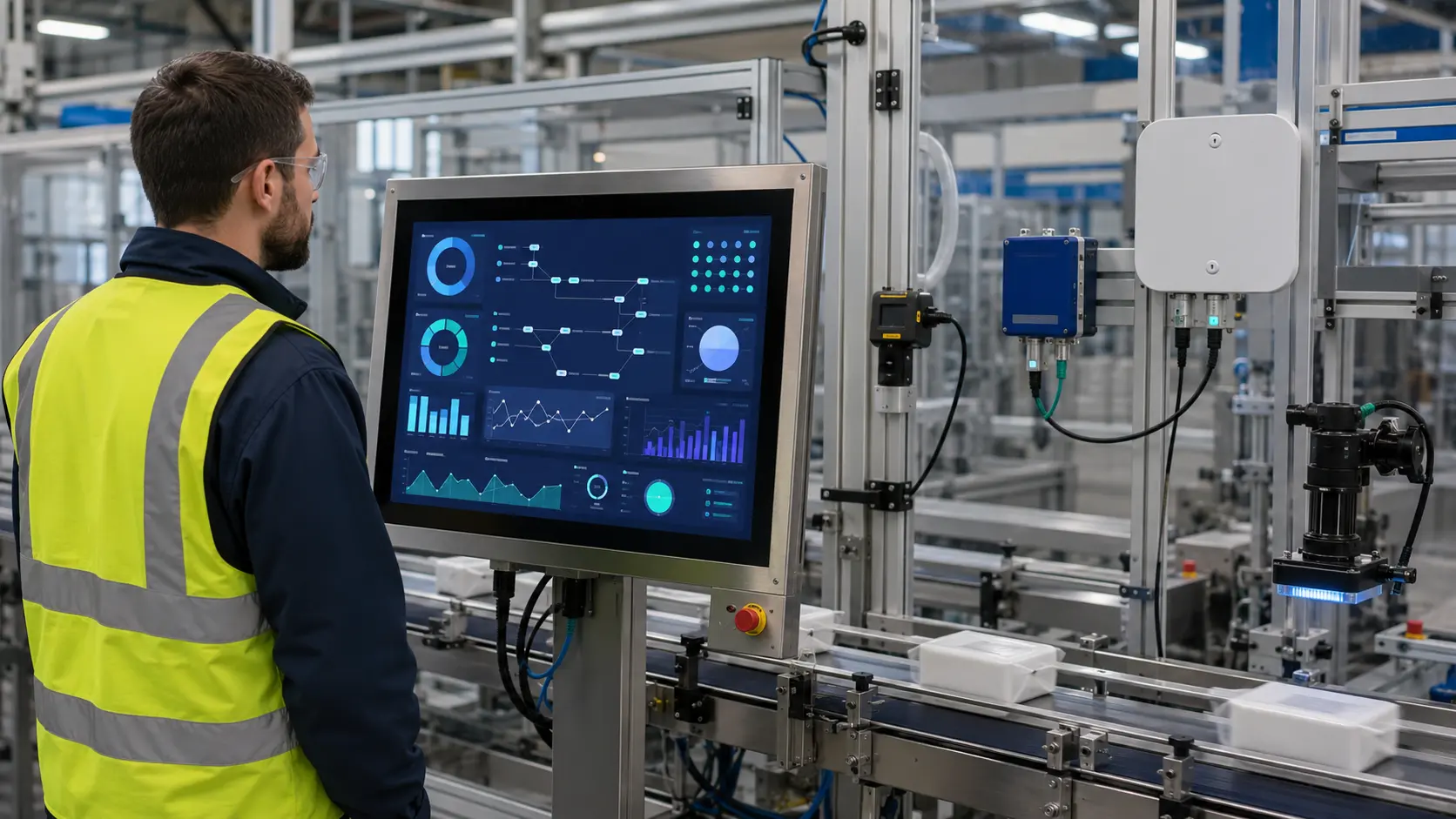
Where the process demands it, the system can check that the correct identity was created, confirm it is readable and associate the result with the production event.
- Presence and content checks
- Barcode, RFID or DPM read-back
- Reject, rework and exception handling
- Result and audit-record capture
Frequently asked questions
ID label printers: practical questions.
Every application is different, but these answers cover useful starting points.
Can you supply RFID printer-encoders as well as standard label printers?+
Yes. We can specify standard industrial label printers, RFID printer-encoders and automated print-and-apply systems around the required tag, data format and production rate.
Do you help select labels and ribbons?+
Yes. Face material, adhesive, liner, ribbon chemistry and environmental resistance are treated as part of the application, not as an afterthought.
Can a printer be connected to our production data?+
Yes. Projects can include template control, database or ERP/MES data exchange, barcode validation and line-level handshaking.
Related production outcomes
Explore the application behind the equipment.
Discuss your application
Planning an ID label printing project?
Share the product, material, speed, code requirement and the result you need. We’ll identify the right next step.
What is an RFID printer-encoder?
An RFID printer-encoder prints visible label information and writes digital data to the RFID inlay in the same workflow. A production system should also read back or verify the encoded tag, identify failed inlays and match the printer, media, product and downstream read environment.