Printed 1D codes
Assess contrast, modulation, defects and decodability for linear symbols on labels, cartons and packaging.
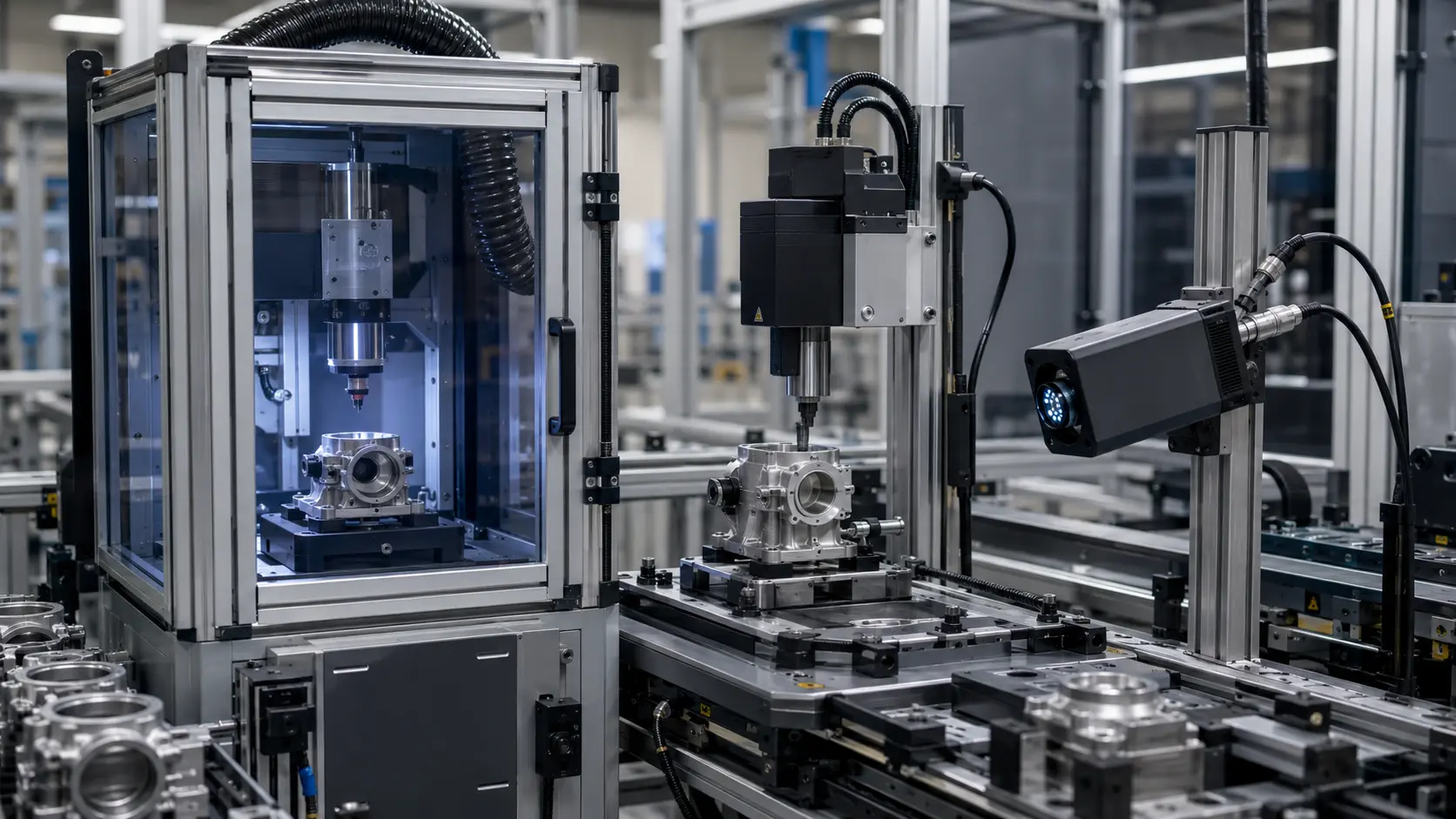
Grade printed and permanently marked codes under controlled conditions, diagnose quality failures and retain objective verification reports.
A barcode verifier is different from a production scanner. It uses controlled illumination, calibration and analysis to grade symbol quality and identify the parameters that limit reliable scanning across the supply chain.
Oxford Traceability can supply desktop, handheld and inline verification routes for linear barcodes, QR and Data Matrix symbols, GS1 data and direct part marks. The applicable method, aperture, lighting and reporting requirement must be confirmed from the governing standard or customer specification.
The correct verifier depends on symbology, physical size, substrate, production method and the report your customer or quality system expects.
Assess contrast, modulation, defects and decodability for linear symbols on labels, cartons and packaging.
Grade QR and Data Matrix quality, including contrast, modulation, fixed-pattern damage and geometric effects.
Use suitable DPM lighting and methodology for laser, dot peen or chemically marked components.
Monitor every code in production and define how inline results relate to formal calibrated verification.
Equipment alone does not create control; the verification method, sampling plan and corrective action must be defined together.
Identify the symbology, application specification, grading method, minimum grade and evidence to retain.
Choose the correct field of view, aperture and lighting, then establish calibration and operator checks.
Define which products, batches, lines or changeovers require verification and how results are recorded.
Link failed parameters to printer, substrate, marking, artwork or process adjustments and re-verification.
Requirements vary by product, market and customer specification. Confirm the current rules that apply to your project.
Practical answers to common buying and implementation questions.
A scan proves that one reader decoded one symbol under one set of conditions. Verification grades defined quality parameters under controlled conditions to predict wider scanning performance and diagnose defects.
Printed 2D symbols are commonly graded using ISO/IEC 15415. Direct part marks may require the ISO/IEC 29158 method. The application specification and customer requirement should always be confirmed.
Some verifier platforms support both, but field of view, minimum feature size, lighting and software licences still need to match the symbols being assessed.
Yes. Depending on the chosen system, reports can include the overall grade, individual parameters, decoded data, image, date, operator and product or batch reference.
Send the symbology, code size, substrate, current grade requirement and sample images. We will help define the verifier and trial method.