Identify
Create the right label, RFID tag, inkjet code, laser mark or mechanical mark for the product and environment.
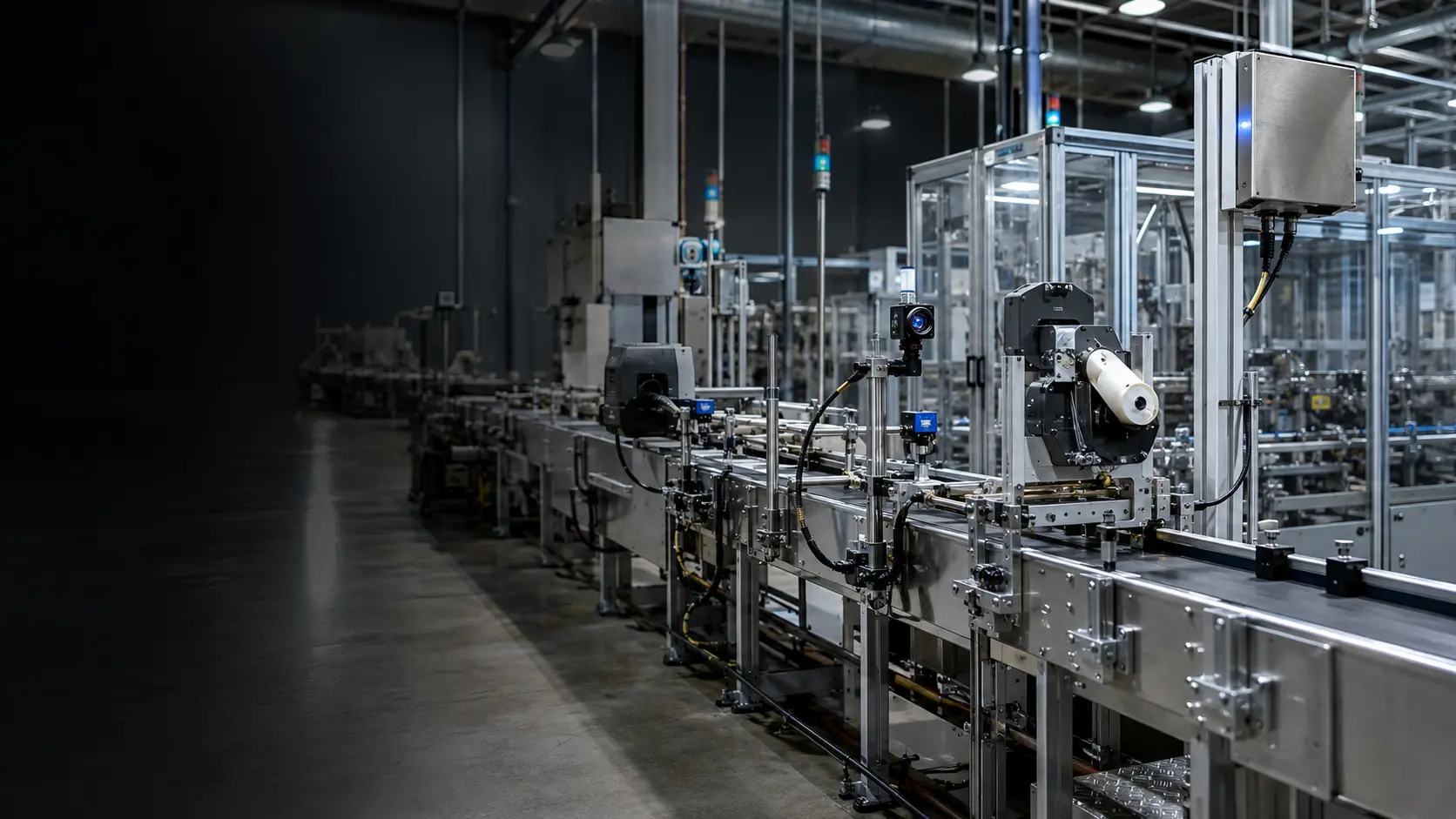
We specify and integrate coding, labelling, RFID, permanent marking and traceability systems around your product, line speed and production data.
Choose a traceability application by the question it must answer: Start with a production question and a known example of the answer.
The right mark is only useful when it can be read consistently and the production line knows what to do next.
Oxford Traceability brings the hardware, verification, controls and data connection together around your real process.
Create the right label, RFID tag, inkjet code, laser mark or mechanical mark for the product and environment.
Capture each identity with RFID, barcode, DPM and machine-vision hardware positioned for dependable production reads.
Confirm content, quality and process completion, then manage reject, rework and exception paths clearly.
Exchange orders, recipes, serials and results with line controls, databases and business systems.
Specify one technology or bring the full marking, reading, verification and data sequence into a single engineered project.
Print, encode and apply
Read without line of sight
High-speed industrial coding
Clean, high-resolution print
Permanent precision marking
Consumable-free line coding
Robust mechanical marking
Durable plate identification
Identify the part itself
Connect devices to decisions
Read every production identity
Measure code quality
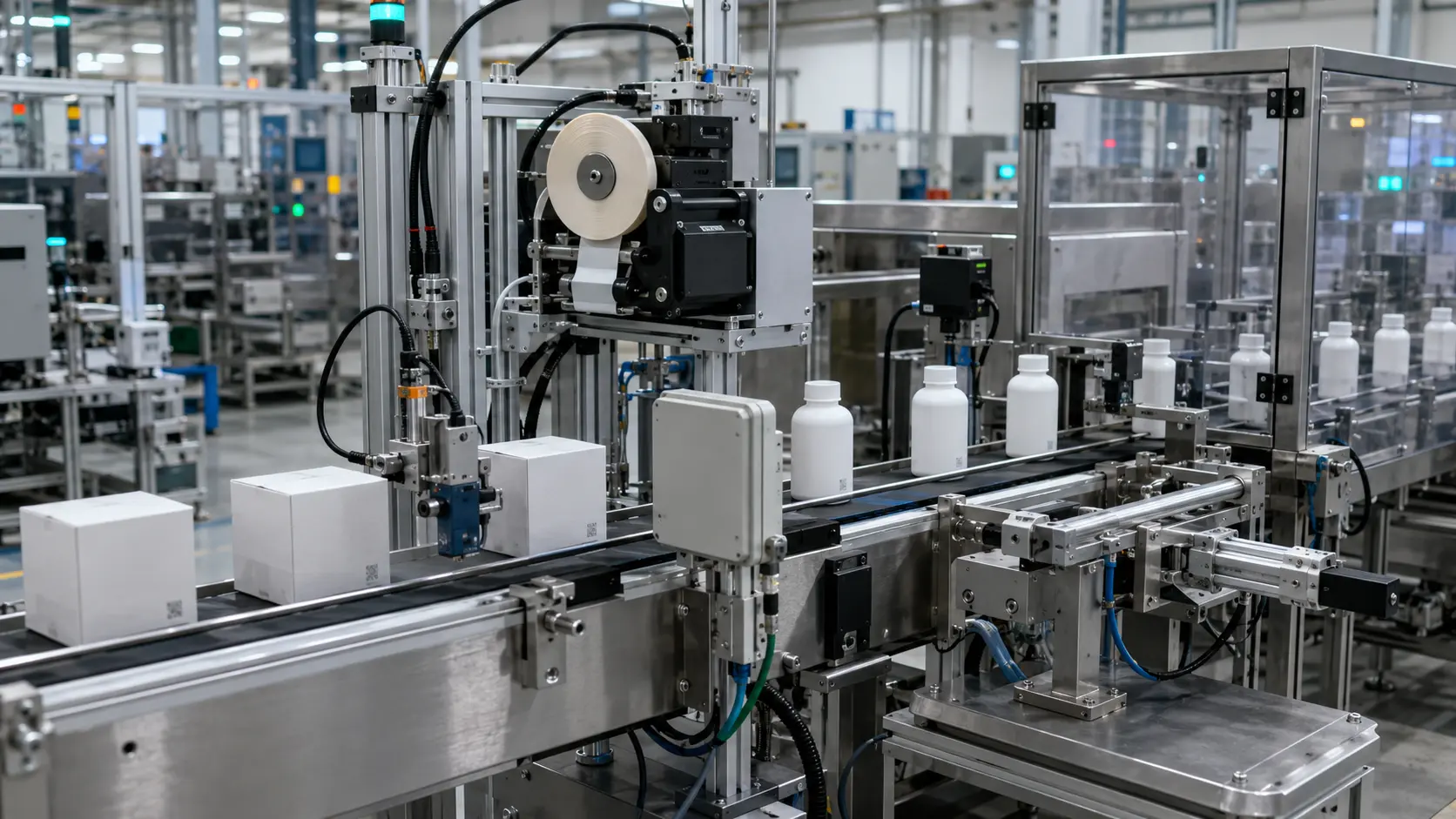 Identify / encode / read
Product material, orientation, metal, liquids, distance and speed all influence RFID and barcode performance. We develop the tag, label, antenna, reader and control point together.
Trials and application definition remove uncertainty early—so the final system is based on your product, your data and your production reality.
We map the product, substrate, environment, speed, data, operators and exceptions before selecting technology.
Samples and trials establish mark quality, adhesion, read performance and integration assumptions early.
Devices, fixtures, guarding, controls, software and verification are developed as one production process.
We commission the solution, train users and provide a clear path for consumables, service and future changes.
Fibre laser, dot peen, nameplate marking and DPM verification are developed around material response, part handling, code quality and the record your process needs to retain.
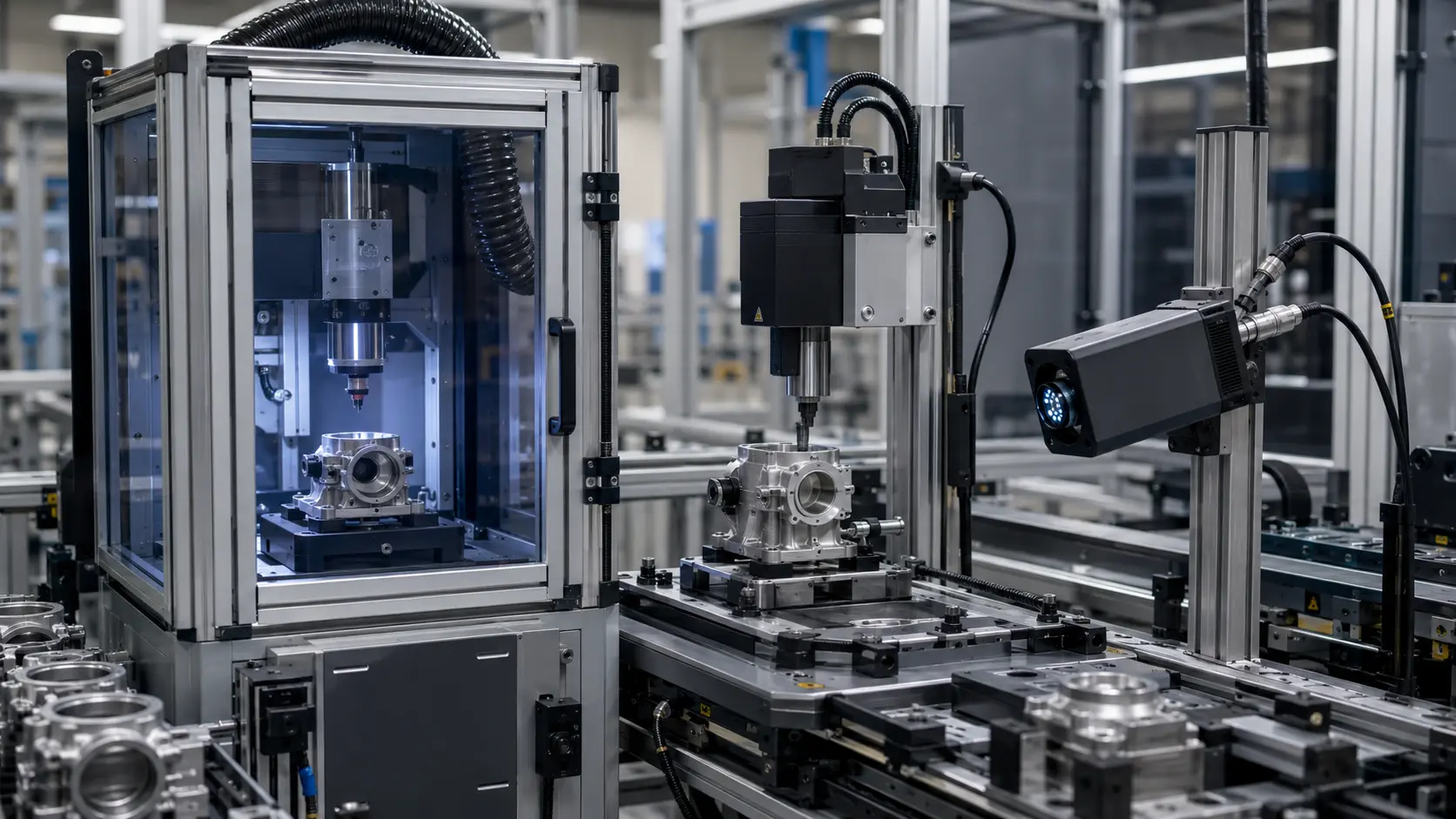
From packaging codes to component genealogy, we focus on the environment, risks and verification standard that matter to the operation.
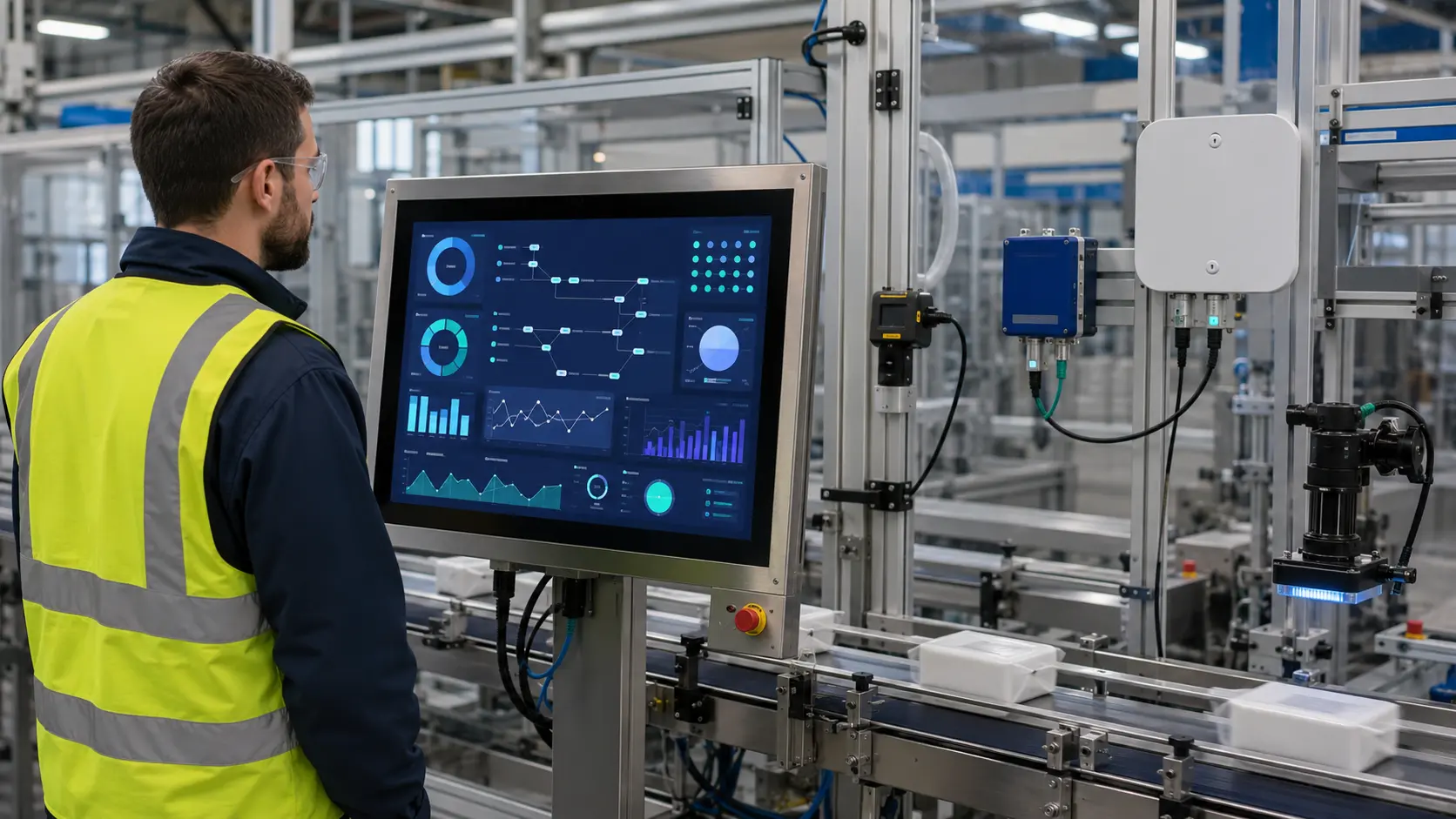
Connect printers, RFID, scanners, cameras, markers and PLCs with the data that controls recipes, serials, genealogy, rejects and audit records.
Explore system integrationChoose the outcome you need: prove code quality, build product genealogy, track WIP without line of sight or trace batches forward and backward.
Validate content, grade quality and connect failures to reject and record handling.
02Relate unique product identities to materials, operations, inspections and dispatch.
03Capture controlled movement and process events without direct line of sight.
04Connect incoming lots, production consumption, finished batches and shipments.
Explore practical implementation routes for 2D retail codes, Digital Product Passports, food batch evidence and medical-device UDI.
Print, verify and scan GS1 DataMatrix and QR Codes powered by GS1.
02 / DPPConnect durable product identity with structured lifecycle information.
03 / FoodLink ingredient lots, batches, packaging codes and dispatch evidence.
04 / Medical devicesControl labels, direct marks, verification, serials and production records.
A short application discussion can quickly narrow the practical options and identify which samples or line details matter next.
sales@oxfordtraceability.co.ukThe right route depends on the material, required permanence, available space, production speed, environment, code content and how the identity will be read. We compare those factors before recommending label, inkjet, laser, dot peen, RFID or a combined approach.
Yes. We can work around existing conveyors, machines, PLCs and software. The first step is to establish mechanical access, signals, data interfaces and the production states the traceability system must handle.
Yes. Representative samples are strongly recommended for ink, laser, label, RFID and direct-part-marking applications because real surfaces and product geometry determine performance.
Yes. Oxford Traceability can define the marking or reading hardware, controls, data integration, verification and the ongoing labels, ribbons, inks or other consumables required by the process.
Tell us what you need to mark, identify or track. We’ll help define the right technology, trials and integration scope.
Start by writing one real traceability question, such as “Which finished batches used this material lot?” or “Which operation has this component completed?” Then identify the physical events and records required to answer it. This gives hardware selection a specific job.
A batch identifier groups production; a serial identifier distinguishes an item. A movement event records a transfer or location change. Decide the required level of detail and where it changes, for example when items enter a case or a material lot contributes to several batches.
Map where an identifier is printed, applied, marked or read, and which system owns the authoritative record. A scanner reading a code establishes a capture event; its meaning still depends on the production state and the validation applied. Define the comparison with the expected order, part or destination.
Use a missed read, an incorrect label, split material, rework and an interrupted connection in the agreed test. Decide which events can be retried and which require approval. Corrections should preserve enough history to explain why the record changed.
Ask production and quality staff to retrieve the selected item's or batch's history using the pilot records. Identify missing handovers and ambiguous identities. Recording more data is not a substitute for answering the agreed question clearly.
For material-to-output relationships use batch and lot traceability. For individual assembly history use serialisation and genealogy; for controlled movement events review RFID work-in-progress tracking.