Goods-in capture
Read or create supplier, ingredient, lot and expiry identities before material enters controlled stock or production.
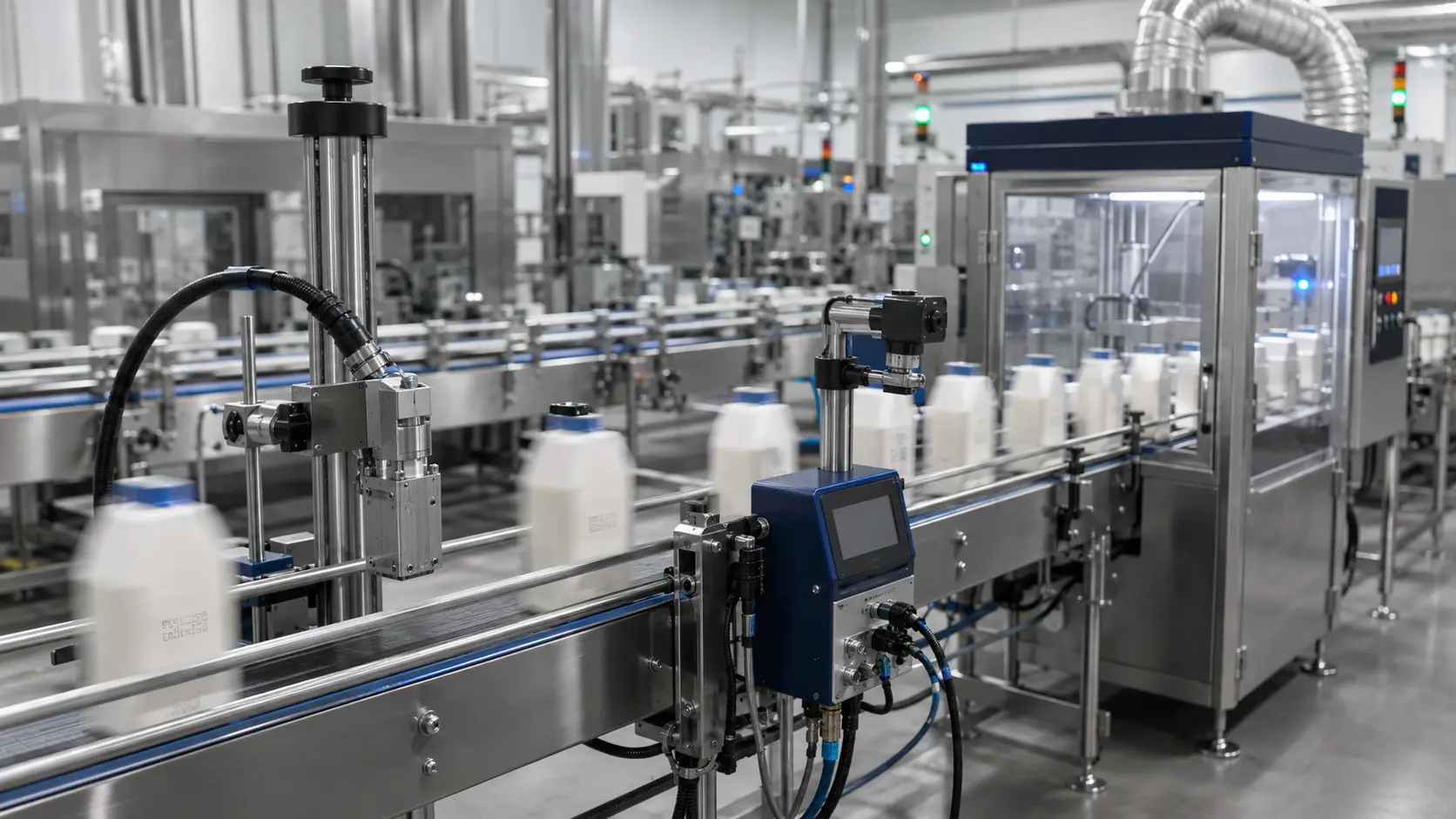
Connect ingredient lots, production batches, date and label codes, quality decisions and dispatch identity into clear forward and backward evidence.
A practical food traceability system captures supplier and ingredient lots, links them to production batches, confirms the correct packaging identity and associates finished cases or pallets with dispatch records.
Oxford Traceability integrates the line-level technology that makes those links dependable: barcode and RFID readers, batch coders, label printers, vision or code verification, PLC controls and interfaces to agreed production or business software.
Traceability is strongest when each transformation, split, merge, rework and dispatch event has an unambiguous production record.
Read or create supplier, ingredient, lot and expiry identities before material enters controlled stock or production.
Link the actual input lots, recipe or order, line, time and operator or automated event to the production batch.
Apply date and lot codes, verify expected label or barcode data and control reject, hold and rework paths.
Aggregate units into cases or pallets and connect logistics identities with stock and dispatch transactions.
Starting with a real recall or investigation question exposes the identities and events the system must capture.
Document receipt, storage, issue, mixing, splitting, rework, packing, aggregation and dispatch events.
Set rules for supplier lots, internal batches, date codes, labels, cases, pallets and exceptional production.
Install printers, coders, readers, inspection, PLC logic and interfaces where evidence is created.
Run representative searches from ingredient to customer and finished batch back to every relevant input.
Requirements vary by product, market and customer specification. Confirm the current rules that apply to your project.
Practical answers to common buying and implementation questions.
The scope commonly links suppliers and ingredient lots, internal batches, production time and line, packaging codes, quality or hold status, finished cases or pallets and customer dispatch records.
Yes. The data model and capture points can be designed so a team can follow an input lot forward to affected production and customers, or trace a finished batch back to relevant materials and process events.
Often yes. We can assess their interfaces, code capability, reliability and verification options, then integrate suitable existing equipment with new readers, controls or software.
Yes. Expected product data can be compared with scanned label, barcode or printed-code content and used to reject, hold or interlock production when the agreed rule fails.
Send a simple process flow, sample labels and the trace question you need to answer. We will map the likely equipment and data capture points.